
About FitPria and Our Editorial Standard
An English-language resource about natural supplements for men, written from Jl. Braga in Bandung for readers who want to understand a formula before they spend money on it.
Why we started with men's supplements
Walk into any pharmacy in Bandung and you find a shelf of formulas with confident names and vague panels. Most shoppers read the front of the pack and decide there. We started FitPria because the back of the pack is more interesting and far more useful, and because nobody was explaining the difference in plain language for this market.
The category here overlaps with local herbal traditions and ordinary pharmacy retail. That mix deserves an honest description rather than a campaign around it. We write about vitamins and minerals for men as they actually appear on Indonesian shelves and in online marketplaces, not as they appear in imported advertising.
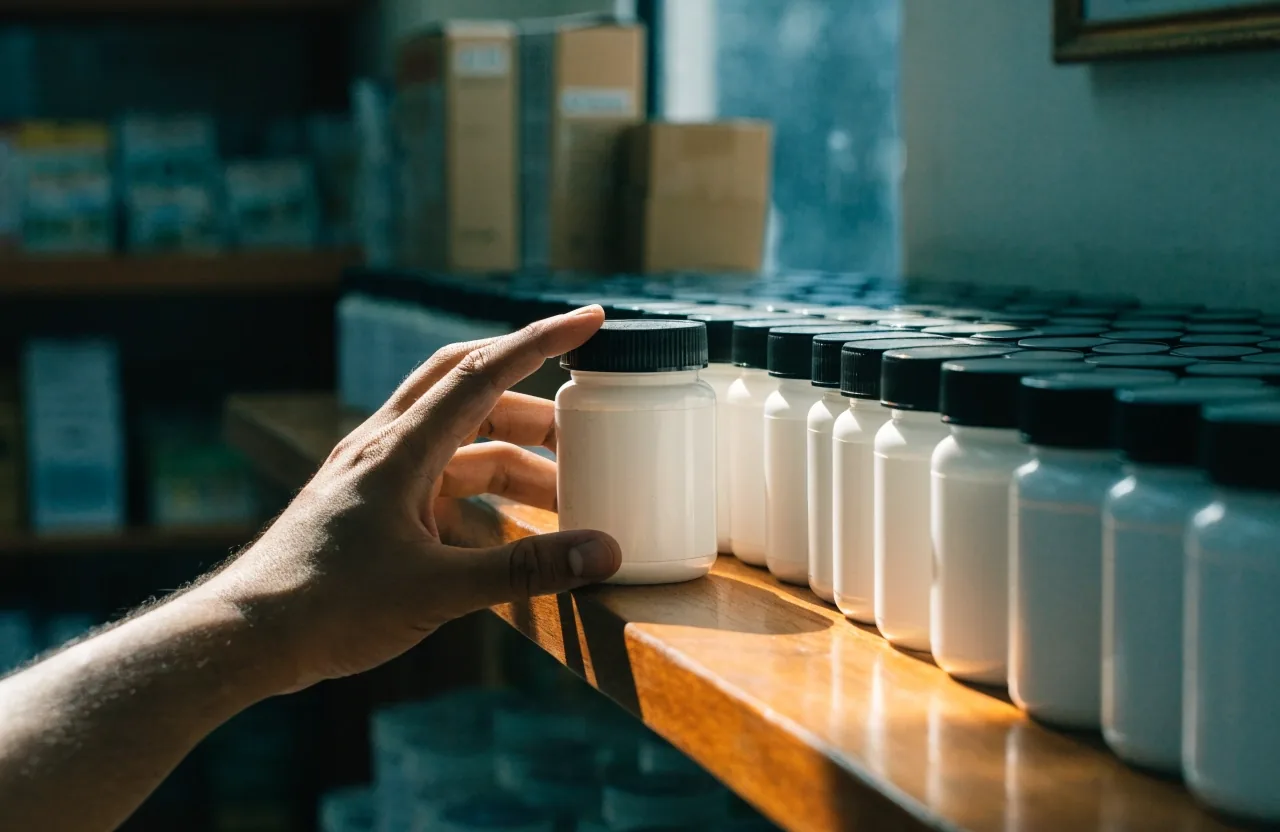
The front of the pack sells. The back of the pack answers. Almost everything we publish starts from the second one.
Our Bandung base, and why it matters
Being based in Sumurbandung shapes what we write about. The products we describe are ones readers can actually find in Indonesian retail and online marketplaces, and the formats we compare are the ones on those shelves: tablets, capsules and powders in 30-count and larger packs.
When we discuss an international product such as Together Health's vegan men's multivitamin, it is because readers encounter it online. It is not because that product dominates a shelf on Braga. Where a formula only exists through cross-border shipping, we say so, because pack size and availability change how a reader should think about cost per serving.
What we compare first
Positioning language — the confident words on the front — comes last. It is the least informative part of a label and the part most likely to be rewritten every season.
How we work through a label
Our editorial method in short
Read and record
We read product listings, packaging information and published nutrition articles, then describe what we find without dressing it up. The listing page and the label on the pack are the two documents that matter most.
Order the facts
Serving size and pack count come first. Nutrient amounts and their forms come second. Whatever the brand says about itself comes third and stays clearly separated from the numbers above it.
Leave gaps empty
We do not test products and we do not run trials. Where a claim cannot be checked against a label or a published source, we leave it out rather than soften it into something that sounds acceptable.
What we will not publish
These limits are not modesty. They are the thing that keeps the site useful. A guide that repeats unverifiable claims is just another advertisement, and there are enough of those.
-
No before-and-after material
We have no verified assets of that kind, so we do not publish any. Comparing two images we cannot stand behind would tell you nothing about the product.
-
No quotes, ratings or scores
We cannot verify where a review quote came from or how a score was assembled, so none appear on this site. What you get instead is a description of what the label says.
-
No outcome claims
We do not say that a supplement resolves, prevents or reverses a health condition. Supplements are not medicines, and writers who blur that line make the whole category harder to shop in.
-
No personal health advice
We describe labels and formats. If you want guidance about your own situation, that conversation belongs with a qualified professional, not with an editorial page.
Where the numbers come from
The sources behind our nutrient descriptions
Our nutrient explanations draw on published nutrition writing rather than on brand copy, and we cite the kind of source rather than treating any brand as an authority.
Priorities, organised
Healthline's men's multivitamin guide groups the common priorities a reader meets on a men's label, and notes that adults need 13 essential vitamins and 7 main minerals.
An age structure
Nature Made's men's guidance adds an age-based way of reading a label, which helps explain why two formulas for the same shelf can differ so much in what they carry.
Daily targets
SFI Health's article cites daily targets for vitamin D, zinc, magnesium, vitamin C and iron. We use material like this to explain what a nutrient is doing on a label at all.
How we handle product names
We describe products we can point to. Naming a product is not an endorsement. It means the listing gave us something specific to describe, which is the only reason a product appears here at all.
-
Together Health vegan men's multivitamin
An international vegan format that readers here meet online. Useful to describe because its nutrient sources are named plainly on the panel, which makes it a good teaching example for what a form column should tell you.
-
Wholesome Wellness whole-food multivitamin
Named for its whole-food positioning and its acerola cherry vitamin C sourcing. We describe how that sourcing is stated on the panel and what a reader can and cannot learn from that description.
-
USANA natural vitamin E forms
Included as an example of a listing that names the form of a nutrient rather than only its amount. That distinction is one of the few places where label language genuinely changes what you are comparing.
-
Nutrimax Stamina X
A stamina-oriented listing on Guardian Indonesia's men's-health page. It is a helpful example of how a local retail product describes itself, and of the gap between that description and the numbers printed beside it.
Who this site is for
Readers who want to compare formats before spending money. Men who train and want to know what an energy formula actually contains. Shoppers who have picked up a bottle and cannot tell whether the label in their hand is meaningful or just well typeset.
Beginners who want a starting point without a sales pitch, and anyone who has ever read the words on the front of a pack and found them less informative than the numbers on the back. Popular products for men change every season; how to read them does not.
If you are looking for a personalized plan or a clinical opinion, this is not that resource, and we would rather say so clearly than waste your time.
How to reach us, and what happens next
Our contact page takes questions, corrections and suggestions. Editorial corrections get priority — if a pack size is out of date or a formula has been reformulated, that is the fastest useful thing you can send us.
General questions get a reply as well, though we cannot answer questions about your personal health situation. We are an editorial desk on Braga, not a service counter.
What to include in a correction
Which product profile you are writing about, by name.
What changed — pack size, serving size, a nutrient amount, or the form of a nutrient.
A link to the current listing, or a photo of the panel if that is easier to hand.
Send it to our contact page and mention the product name in the subject line.
FitPria is an editorial resource. We do not sell supplements, and the material on this site is informational — it is not advice about your own situation, and it does not replace a conversation with a qualified professional.
Questions we get often
Three answers that come up most, written the way we would give them on the phone.
Is FitPria a supplement seller?
No. We are an editorial resource. We describe products and ingredients and do not sell anything. There is no cart on this site, and no listing here exists because someone paid for it.
Do you have a medical advisor?
We do not present ourselves as a health service, so we do not publish clinical guidance. Our scope is labels and formats, which is where we can be accurate. Anything about your own situation belongs with a qualified professional.
Can I suggest a product for a profile?
Yes. Send the name, the pack details and a link to the listing, and we will review it against our method. If it gives us something specific to describe, it may end up with a profile. If it does not, we will tell you why.
Start with the label, not the slogan
Pick a format, read what the back of the pack actually says, and decide from there. The guide and the profiles below are written for exactly that first pass, in English, from Bandung.